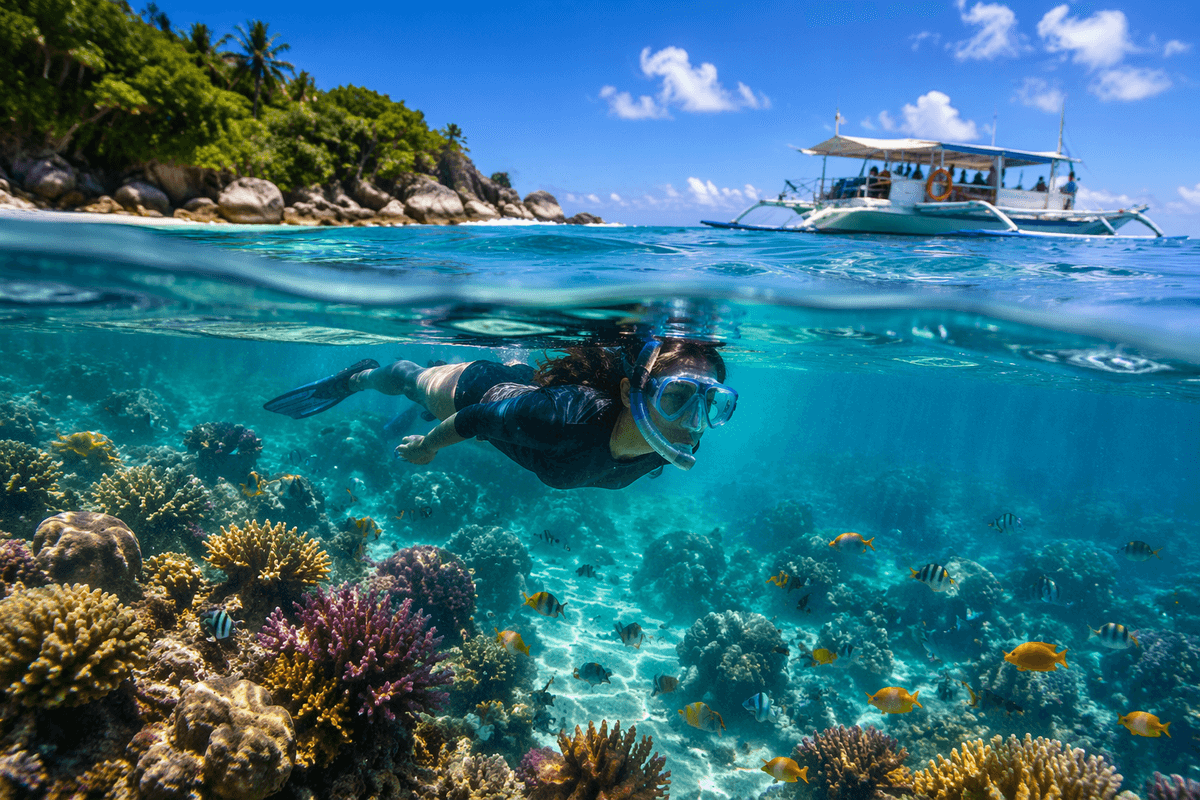
Why “underwater” travel isn’t just for divers
The first time I planned an “underwater” day without a scuba card, I nearly talked myself out of it—every itinerary seemed to assume tanks, training, and a tolerance for long briefings on a rocking boat. What finally clicked was realizing that most of the payoff (color, wildlife, that quiet blue feeling) comes from access and visibility, not depth. For a fit non-diver, the question isn’t “Can I dive?” so much as “How close can I get, comfortably, for the time and money I’m willing to spend?”
Snorkeling is the obvious entry point, but it’s also the most variable: a perfect reef can turn into a milky, currenty workout if wind shifts or tide timing is off. Alternatives—glass-bottom boats, semi-subs, and underwater observatories—swap immersion for reliability and are often the best call when you’re managing seasickness, shoulder fatigue, or a mixed-skill travel group. The catch is that wildlife feels less intimate from behind glass, and busy ports can mean crowded viewing decks at the exact moment you want calm.
Then there are “in-between” options like guided sea walks or helmet dives: surprisingly approachable if you’re anxious about breathing technique, but they’re operator-dependent and not ideal if equalizing pressure or ear sensitivity is an issue. Thinking in ladders (dry view → face-in-water → assisted underwater) keeps the planning practical—and keeps you from paying scuba prices for an experience you didn’t actually need.
Top experiences: snorkeling, swim-withs, underwater walks
The most telling moment usually happens at the swim step: you slip your face in and realize snorkeling is either effortless—reef scrolling under you like a moving map—or instantly work, because chop and current turn “relaxing” into finning just to stay in place. For non-divers, I rate snorkeling experiences less by how famous the reef is and more by how forgiving the conditions are: protected lagoons and leeward-side bays beat “epic” outer reefs when wind picks up. If you’re prone to seasickness, a short boat ride to a sheltered site often beats a longer run to clearer water, even if visibility drops a notch.
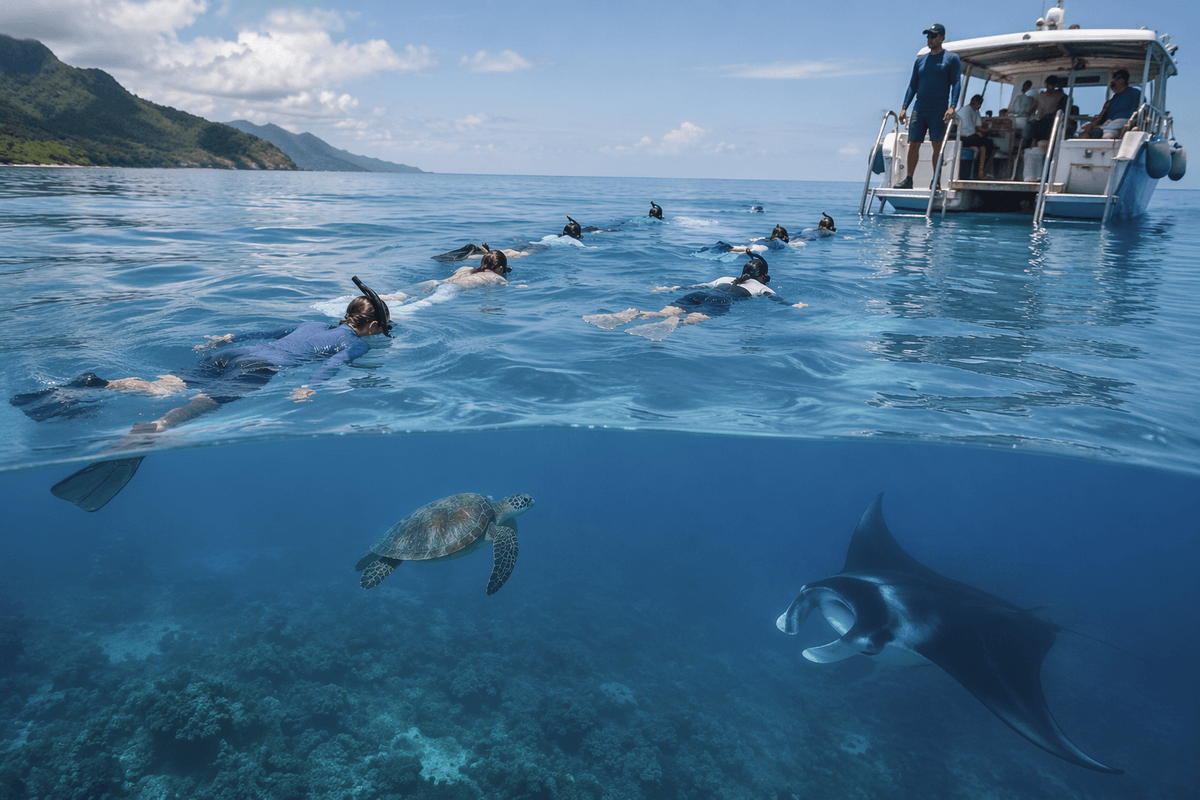
Swim-withs (dolphins, turtles, rays, whale sharks—sometimes just “bait ball” action) are where the memories spike, but they’re also the fastest way to feel overwhelmed. The best operators cap group size, enforce distance rules, and stagger entries; the mediocre ones create a chaotic surface scrum that’s tiring and, frankly, not fun. Look for tours that screen swim ability (or offer flotation), build in a second chance if the first spot is quiet, and are explicit about season windows—your odds can swing wildly by month, and “year-round” often means “possible, not likely.”
Underwater walks/helmet dives sit in the sweet spot for people who hate snorkel breathing but still want eye-level fish. They’re typically shallow and guided, which makes them approachable, yet they can be surprisingly physical: climbing down ladders, walking on uneven sand, and managing ear pressure. If you’ve had trouble equalizing on flights or get ear pain easily, skip it. Choose outfits that run small groups and use calmer, non-surge sites; it’s the difference between a slow, steady “aquarium stroll” and getting jostled while trying to relax.
Best destinations by vibe: reefs, wildlife, wrecks, caves
I kept a running note on my phone that was basically “What do I want to feel?” because “best underwater” depends on whether you’re chasing color, big animals, or something moodier like wrecks—and each vibe comes with different friction. If you want easy, confidence-building reef time, places with protected lagoons are your friend: Bonaire (shore entries, short swims) and parts of the Bahamas or Turks & Caicos (clear water, gentle sites) let you control effort and exit quickly if conditions turn. The compromise is that “accessible” often means popular; go early in the day or you’ll share the same coral heads with a lot of fins.
For wildlife-first trips, season windows matter more than “famous destination.” Ningaloo Reef in Western Australia is the cleanest non-diver whale shark setup I’ve seen (strong operator culture, snorkeling-focused), but you’re tying your trip to a specific time of year and a longer flight. Hawaii is more flexible for turtles and manta rays (and easier logistics), yet some of the best encounters happen at dusk or night, which can feel intimidating if you’re already managing nerves or motion sickness.
If your “underwater” day needs a storyline, wrecks and caves deliver—just not always in the low-effort way people imagine. Oahu’s shallow wreck/snorkel-and-boat days can be great when seas cooperate, but visibility and surge can turn the same site into a blur. For caves, the Yucatán cenotes offer dramatic light even for swimmers who only want to float and look down, though water is chilly and some systems are strictly guided (or off-limits) depending on conditions and rules—so you plan a buffer day instead of betting the whole week on one perfect swim.
Safety, ethics, and accessibility for non-divers
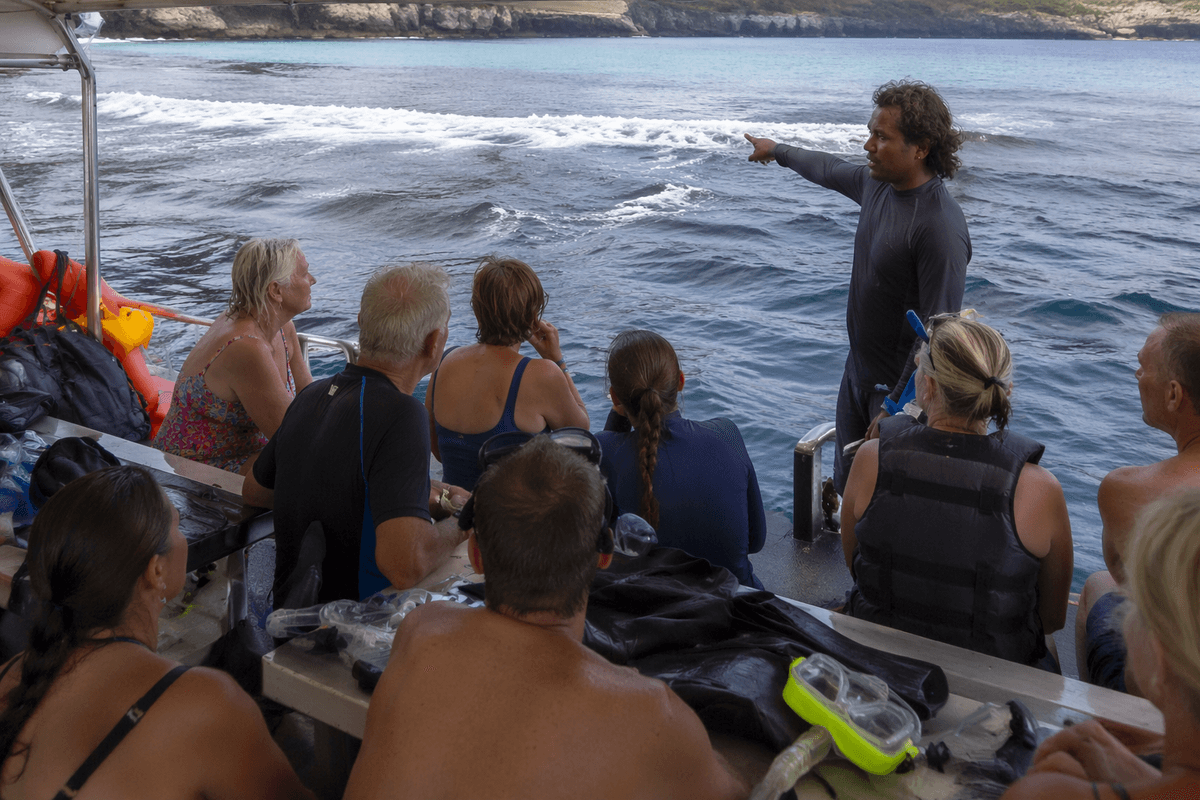
The closest I’ve come to bailing on an “easy” snorkel was at the briefing, not in the water—when the guide casually mentioned a rip line along the reef edge and half the boat still planned to drift past it for photos. For non-divers, safety starts with choosing a setup that doesn’t require heroics: protected bays, shorter swims, and operators who actually explain an exit plan (where you regroup, how you signal, what happens if you’re tired). If you’re even mildly seasick-prone, prioritize a stable platform (larger boat, catamaran, or shore entry) over the “clearest water” an hour offshore; nausea turns good decisions into bad ones fast.
Ethics is where the glossy “bucket list” tours split. A responsible swim-with looks boring on paper—distance rules, no chasing, no touching, no flash, sometimes fewer animals because the boat won’t crowd them—but it’s usually the one that feels calm in practice. If an operator promises guarantees, feeds wildlife, or lets guests pile in at once, assume you’ll pay in stress (and the animals will too). I also watch for the small tells: reef-safe sunscreen guidance, no standing on coral, and a crew that will call time even when guests beg for “one more minute.”
Accessibility is less about fitness and more about friction points: ladders, surge at the back of the boat, long surface floats, and the simple reality that masks leak when you’re anxious. If you want the underwater view with the fewest variables, semi-subs, glass-bottom boats, and observatories are underrated—especially in mixed-skill groups—though you trade intimacy and sometimes deal with crowded viewing windows. When in doubt, pick an experience that lets you opt out midstream without feeling stranded; that flexibility is what keeps the day fun.
How to choose your perfect first underwater trip
I usually decide in reverse, starting with the failure modes: if seasickness is a real risk, pick shore-entry snorkeling, an observatory, or a larger, steadier boat—even if it means slightly less “wow” water. If crowds stress you out, don’t chase the most famous spot; choose a destination with multiple easy sites so you can go early, switch bays, or simply bail without wasting the day.
Then match the experience to your comfort curve. If you already snorkel calmly, a wildlife-focused “swim-with” in the right season is the memory-maker, but only if the operator caps groups and controls entries—otherwise it’s exhausting. If breathing technique is your sticking point, an assisted underwater walk can be the bridge, but ear sensitivity is a deal-breaker. My decision cue: choose the option you’d still enjoy on an “okay visibility” day; that’s the trip you’ll actually finish smiling.