The heart disease is among the diseases that are the main causes of death. Identification of coursers in time will save lives. This article will discuss the coronary calcium test, including what it measures, its key indicators, who should consider it, and how its findings help guide the initiation of preventive measures to keep the heart healthy.
Understanding Coronary Calcium
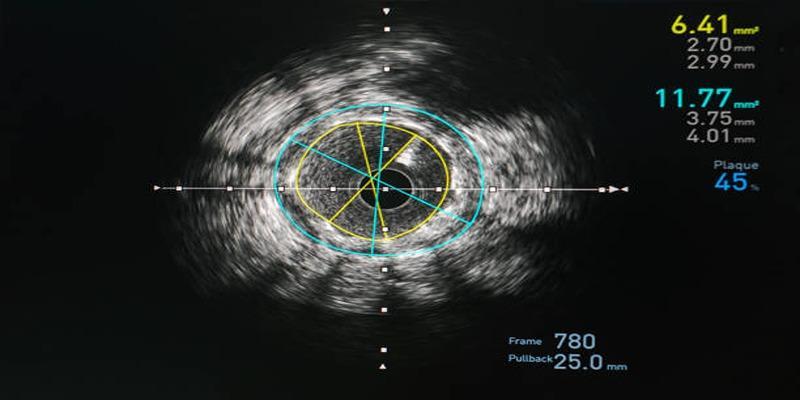
Before diving into the test itself, it’s important to understand what coronary calcium is and why it matters. Now we will, discuss the formation of calcium deposits in the arteries and their connection to cardiovascular risk.
What is Coronary Calcium
Coronary calcium refers to deposits of calcium in the walls of the coronary arteries. These arteries supply blood to the heart muscle, and over time, calcium can accumulate due to atherosclerosis—a process in which plaque builds up and hardens the arteries. The presence of calcium indicates some degree of coronary artery disease, even if no symptoms are apparent.
How Calcium Forms
Calcium deposits develop gradually as cholesterol, fat, and other substances accumulate in arterial walls. This calcification is part of the body’s natural response to arterial injury or inflammation. While calcium itself isn’t harmful, it signals that plaque has formed, which can restrict blood flow or rupture, potentially causing heart attacks.
Connection to Heart Disease
Research shows that the amount of coronary calcium correlates with overall cardiovascular risk. Individuals with higher calcium levels are more likely to experience heart attacks or other cardiovascular events. Measuring these deposits allows doctors to identify hidden risks before symptoms appear, providing a critical window for prevention.
Purpose of the Test
Now we will, explain why a coronary calcium scan is performed and who can benefit most from this assessment.
Who Should Consider the Test
The coronary calcium test is typically recommended for individuals at intermediate risk of heart disease. This includes people with elevated cholesterol, high blood pressure, diabetes, a family history of heart disease, or lifestyle factors such as smoking or obesity. It’s especially useful for people with borderline risk where traditional assessments may not provide a clear picture.
Assessing Future Risk
Unlike standard blood tests, the calcium scan evaluates structural changes in the arteries. By quantifying calcium deposits, doctors can more accurately estimate the likelihood of future cardiovascular events. This predictive power allows for personalized preventive measures, targeting both lifestyle changes and, if necessary, medical intervention.
Complementing Other Heart Assessments
The test works alongside other evaluations, such as cholesterol panels, blood pressure monitoring, and stress tests. While these assessments measure current function or risk factors, the calcium scan provides a tangible measure of accumulated arterial changes, offering a more complete understanding of heart health.
How the Test Works
Now we will, discuss the procedure, what patients can expect, and how the scan generates the calcium score.
Non-Invasive CT Scan
The coronary calcium test is a non-invasive procedure using a specialized CT scanner. It captures detailed images of the coronary arteries, allowing doctors to identify calcium deposits with high precision. Unlike invasive angiograms, it does not require catheters or contrast dye, making it a safer, quicker option for risk evaluation.
What to Expect
During the test, patients lie on a scanning table while the machine rotates around the chest. The process typically takes only a few minutes. Patients are asked to hold their breath briefly to reduce motion blur, and the procedure is painless, with no recovery time needed afterward.
Interpreting Results
Now we will, examine what calcium scores mean and how they inform individualized heart health strategies.
Low, Moderate, and High Scores
A score of zero suggests minimal risk of coronary artery disease at the time of testing. Scores between 1 and 100 indicate mild calcification, signaling early-stage plaque formation. Moderate scores (101–400) suggest more significant buildup, while scores above 400 denote extensive calcification and higher likelihood of cardiovascular events.
Implications for Risk Management
Calcium scores help doctors tailor recommendations. A low score may reinforce current preventive habits, while higher scores can prompt more aggressive interventions, including dietary changes, exercise programs, medications to control cholesterol or blood pressure, and careful monitoring. Knowing the score empowers patients to take proactive measures rather than waiting for symptoms to appear.
Importance of Doctor Consultation
Interpreting calcium scores requires professional expertise. Factors such as age, gender, and overall health influence risk assessments. A cardiologist can integrate the scan results with other clinical information to develop a comprehensive plan, ensuring personalized and effective heart care.
Benefits of the Test
Now we will, highlight the key advantages of undergoing a coronary calcium scan.
Early Detection of Heart Problems

One of the most significant benefits is identifying risk before symptoms arise. By detecting calcification early, individuals can implement interventions that may prevent heart attacks, angina, or other cardiovascular complications. Early awareness is often lifesaving.
Guides Personalized Prevention Strategies
Calcium scores allow healthcare providers to create customized prevention plans. This may include targeted exercise routines, tailored dietary changes, or specific medications. Personalized guidance enhances compliance and increases the likelihood of positive outcomes.
Motivation for Lifestyle Improvements
Seeing tangible evidence of plaque buildup can be a powerful motivator. Patients may be more inclined to adopt heart-healthy behaviors, such as reducing saturated fat intake, quitting smoking, or increasing physical activity, when they understand the real impact of arterial changes.
Peace of Mind
For some individuals, a low calcium score offers reassurance that their current lifestyle choices are effective. Knowing that the arteries show minimal signs of disease can reduce anxiety, reinforce healthy habits, and provide confidence in ongoing preventive measures.
Conclusion
A coronary calcium test offers a unique, non-invasive window into heart health, revealing calcified plaque that might otherwise go unnoticed. By understanding calcium buildup, interpreting Agatston scores, and consulting healthcare professionals, patients can make informed decisions about lifestyle changes and preventive care. Early detection, personalized interventions, and proactive monitoring empower individuals to safeguard their cardiovascular health, reduce risk of heart attacks, and achieve peace of mind while taking control of their future well-being.