Barcelona shopping: what’s worth your limited time?
I hit that familiar Barcelona problem on day two: do you spend your best daylight hour on Passeig de Gràcia because it’s “the” shopping street, or do you skip it before the crowds and price tags start steering you toward the same brands you can buy at home? If you’re on a 4–5 day trip, the efficient move is choosing zones by what they’re actually good at, not by fame.
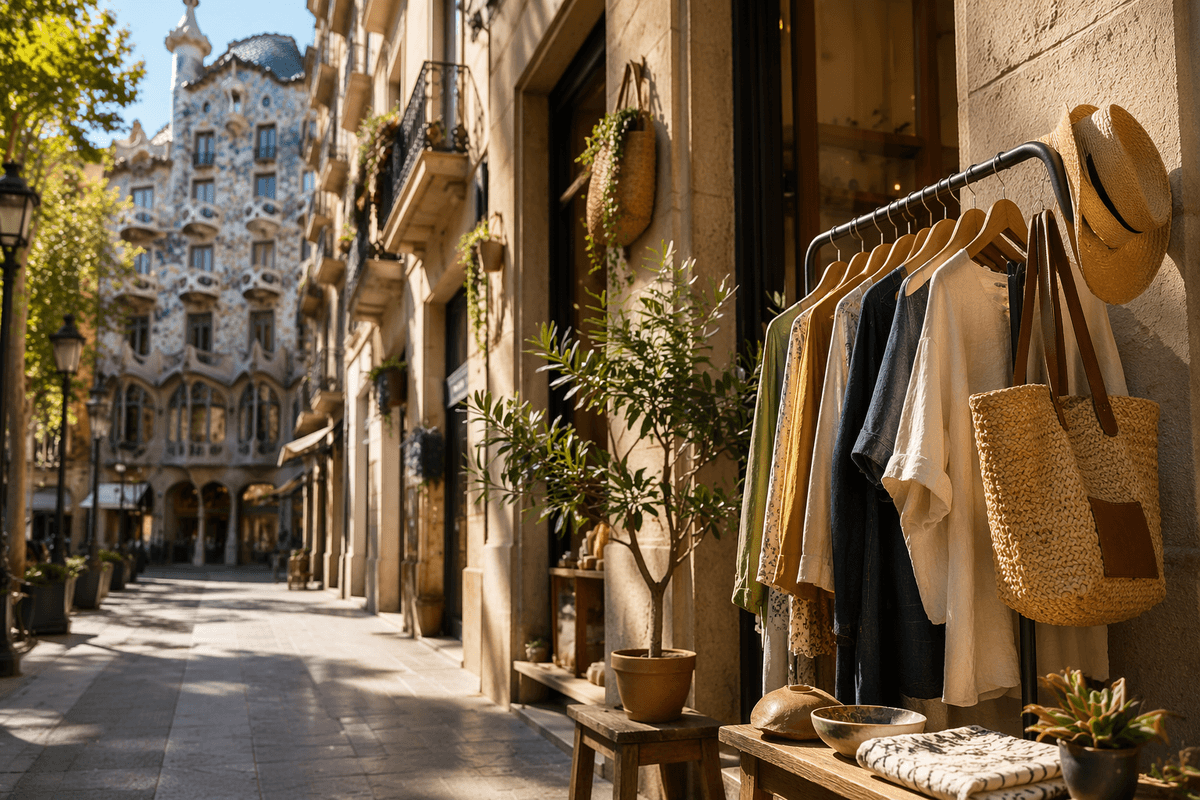
Passeig de Gràcia is strongest for architecture-as-backdrop and big-ticket browsing (and it’s easy to pair with Eixample cafés), but it’s chain-heavy and slow going at peak times. El Born is better when you want small boutiques and giftable design pieces in a compact walk—though the lanes get busy and you’ll pay a “pretty neighborhood” premium. Gràcia tends to feel more local and wearable for mid budgets, but it’s less obvious street-by-street, so you need a looser, wander-first mindset.
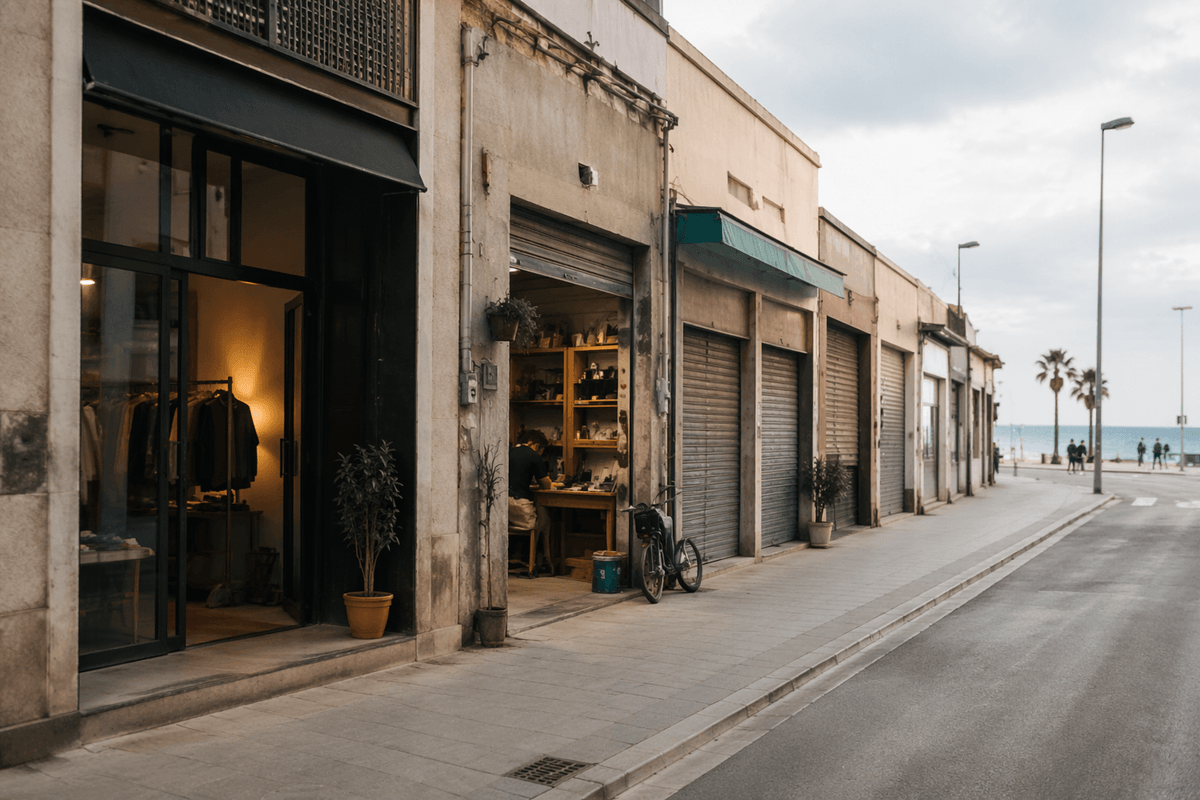
Raval and Poblenou can deliver the most interesting finds (concept shops, workshops, vintage), but they’re the least predictable: shorter hours, more “closed when you arrive” moments, and a bit more walking between hits. Pick two areas per outing and you’ll shop more and backtrack less.
Quick map of streets by style and budget
I learned quickly that “shopping Barcelona” only works when you treat it like a transit plan, not a romantic stroll. One afternoon I tried to stitch Passeig de Gràcia to El Born on foot, and it was technically doable but emotionally expensive: you burn energy crossing busy arteries, arrive already impatient, and then the narrow lanes feel twice as crowded. Group zones that share a rhythm—browse-and-bail luxury with Eixample cafés, or slow boutique wandering with a neighborhood meal—because switching gears midstream is where time disappears.
High-budget, low-friction: Passeig de Gràcia and the surrounding Eixample grid (Rambla de Catalunya is the calmer parallel) is for flagship browsing, polished multi-brand stores, and “I’ll just look” moments that can quietly turn into an hour. It works best early or near closing; midday is when tour groups thicken and you’ll feel the pressure to buy something expensive just to justify being there.
Mid-budget, high-density: El Born is compact and satisfying if you like small boutiques, leather goods, and design-forward gifts, but prices creep up because the neighborhood is pretty and busy. If you want similar browsing with fewer shoulder-to-shoulder lanes, aim for Gràcia’s Plaça del Sol / Carrer de Verdi orbit—more independent shops, more wearable day-to-day pieces, but you’ll walk a bit more between “good” stops.
Wildcard value: Raval and Poblenou reward patience—concept stores, workshops, and vintage pockets—yet they’re the most likely to be closed mid-afternoon or feel spread out. I’d only pair them with one other nearby area (Raval + Sant Antoni, or Poblenou + a beach walk) so you’re not riding the metro all day for two locked doors.
Local fashion districts for Catalan designers
I nearly lost an afternoon trying to “hunt local designers” the same way you hunt tapas—by drifting until something looks good. Barcelona punishes that approach. For Catalan labels, you’ll do better by choosing one district where independent shops cluster tightly, and one where you’re visiting specific addresses (because the gaps between wins are real, and so are the random closures).
Gràcia is the easiest mid-budget entry point into local fashion that still feels wearable. The shops around Plaça del Sol and down toward Carrer de Verdi skew small-batch, practical silhouettes, and accessories you can actually rotate into a normal wardrobe—less “statement,” more “this fixes my travel outfit problem.” It’s also more forgiving on price than the prettier parts of El Born, and the crowding is usually manageable unless you land on a weekend afternoon. The catch is that it’s not one obvious strip; you’re doing a 20–40 minute loop with a few dead stretches, so it helps to commit to the neighborhood and take breaks as you go.
If you want concepty, studio-adjacent Barcelona, aim at Poblenou with a shortlist, not a wander. This is where you’ll find designers and small brands in a more workshop-y ecosystem, but storefront hours can be inconsistent and distances add up fast—especially if you’re already tired from sightseeing. I liked pairing it with a beach walk as a built-in fallback, so even if one place is shut, the outing still feels like a win. And if you’re debating El Born vs. Raval for “local,” remember: Born is smoother to shop but pricier; Raval can be more interesting but takes more effort per purchase.
Vintage, markets, and one-of-a-kind finds
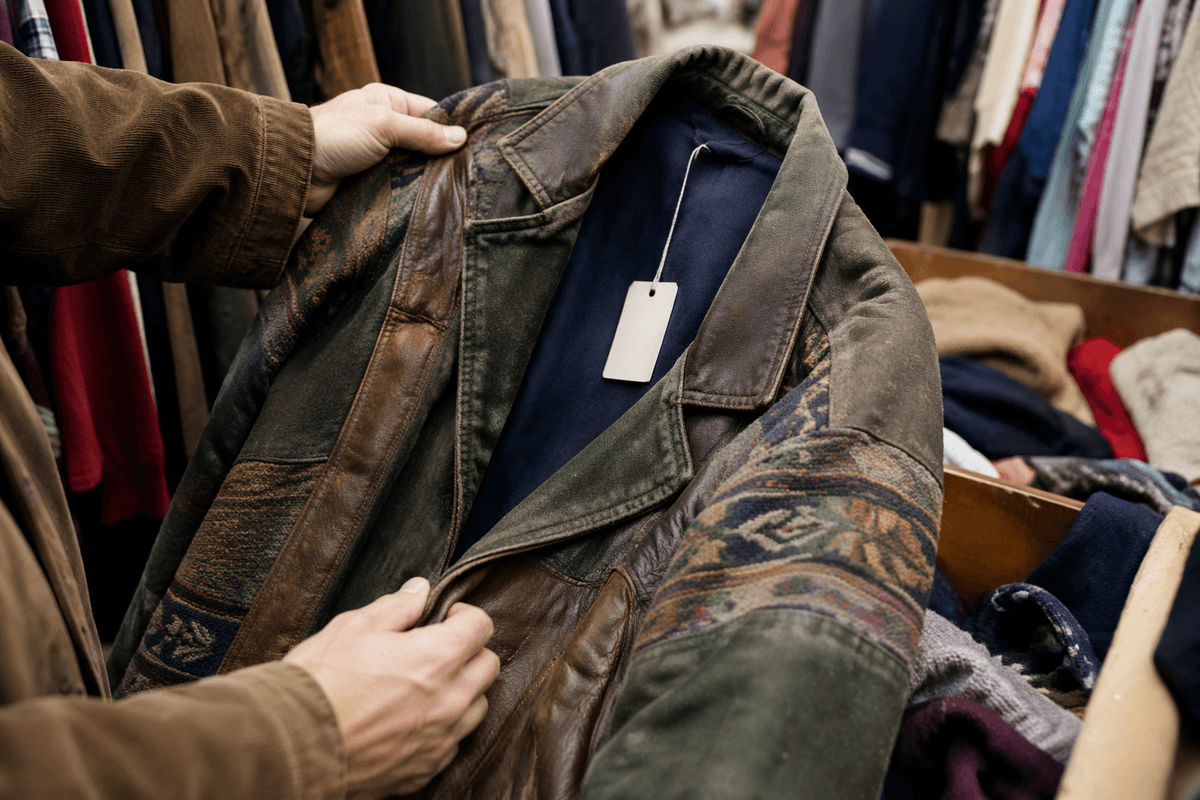
I made the mistake of leaving “vintage day” unstructured, assuming I’d just follow my instincts. What actually happened: I zig-zagged between cute-looking streets, got sucked into two over-curated “vintage” boutiques with museum-level pricing, and realized I was spending more time evaluating than buying. In Barcelona, secondhand is everywhere, but the value isn’t evenly distributed—some spots are true thrift-energy and some are basically costume racks with good lighting.
If you want reliable browsing without feeling trapped in tourist lanes, I’d anchor on Sant Antoni for markets and then decide whether you’re in a “dig” mood or a “curated” mood. The dig version is slower and messier (you’ll try on less, and you may leave empty-handed), but it’s where you actually find a €12 jacket that doesn’t look like a joke. The curated version—more common around the edges of El Raval and the older parts of El Born—is quicker and aesthetically satisfying, but the pricing often jumps to the point where you should be comparing it mentally to new indie brands, not thrift.
Gràcia tends to hit the sweet spot for one-of-a-kind pieces you’ll wear: still distinctive, but less “look what I found in Barcelona” and more “this works back home.” The limitation is pacing—good shops are sprinkled, and Sunday hours can be a roulette wheel—so I only plan vintage in one neighborhood per outing. If you try to stack Born + Raval + a market in the same afternoon, you’ll end up with tired feet and nothing decisive in your bag.
Leave with pieces you’ll actually wear
The moment I stopped buying “Barcelona-proof” clothes and started buying “Monday-at-home” clothes, the whole trip got cheaper. Before you pay a premium in Born or get hypnotized by a concept shop in Poblenou, do a five-minute filter: can you name three outfits you’ll wear this in, and does it solve a real gap (a layer, a comfortable shoe, a bag that closes)? If the answer is vague, it’s probably a souvenir in disguise—even if it’s beautifully made.
My best rule here is unglamorous: limit yourself to one hero piece per neighborhood outing, then switch to small, packable “supporting cast” items (socks, jewelry, a simple top) that won’t punish your luggage. It keeps you from impulse-buying after an hour of crowded lanes, and it also protects you from the “I walked this far, I should buy something” feeling—which is how overpriced, unworn items are born.